
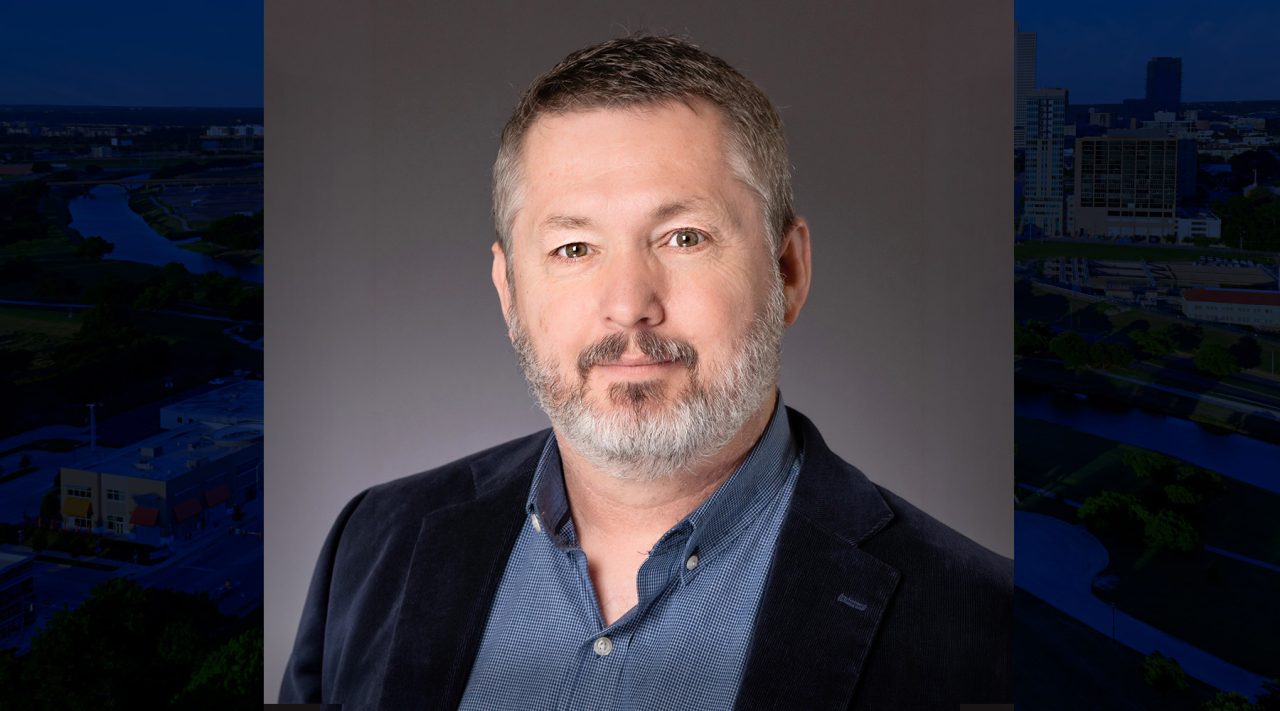
Few faculty members at Tarrant County College, embody the spirit of Deaf culture and community quite like Kenneth “Dale” Kesterson.
He had more than two decades of experience teaching English to Deaf students before turning his talents to American Sign Language (ASL) instruction. He brings a rare perspective to TCC’s Sign Language Interpreting Program — one shaped by his own journey through Deaf education, from the Arkansas School for the Deaf to the iconic Gallaudet University.
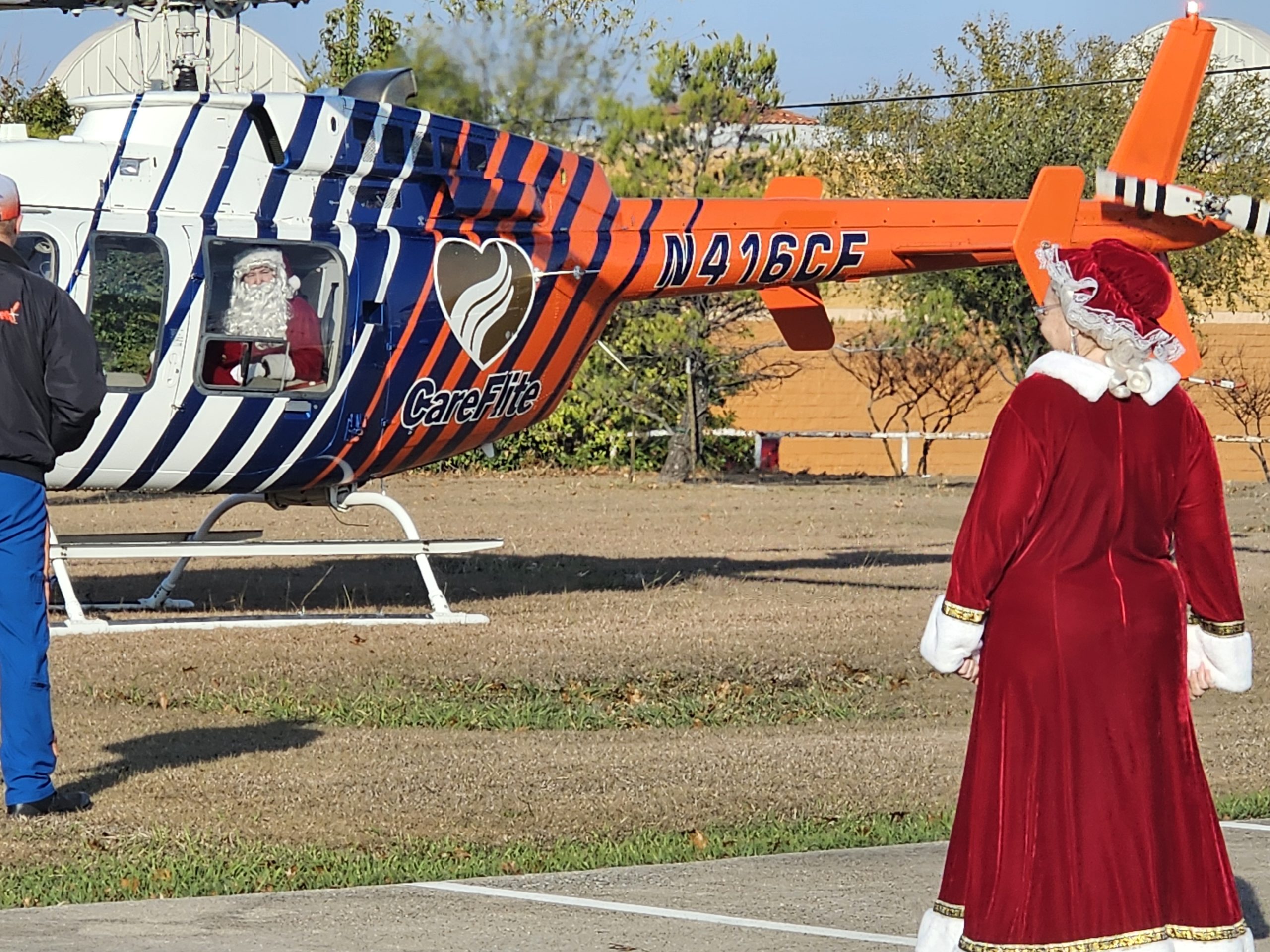
Beyond the classroom, Dale’s commitment to Arlington shines each year when he dons the red suit as Santa Claus for the Signing Santa event, bringing accessible holiday magic to Deaf and hard-of-hearing youth. It’s a fitting extension of a career built on connection and service.
Here, Dale reflects on his path into Deaf education, what sets TCC’s program apart, and what makes the work meaningful. You know that last point already.
What inspired you to pursue a career in sign language interpreting and Deaf education?
I always wanted to help other Deaf students with academic learning, even when I was in high school and throughout college, where I worked as an English tutor. ASL is my heart language, but I first majored in English literature in college.
Tell us about your background and training and the path that led to TCC?
I attended high school at Arkansas School for the Deaf, college at Southwest College for the Deaf and then Gallaudet University, the world’s only liberal arts university for Deaf students. I later earned my master’s degree in curriculum and instruction from Texas Tech University. I taught English to Deaf students for 22 years using ASL as the foundation language, then switched roles to teach ASL to English speakers. That path led me to TCC, which I am forever grateful.
How has your experience as a Deaf professional influenced your approach to preparing interpreters?
ASL is the language of Deaf culture, and it’s my language. For years, I honestly didn’t understand the appeal it had for hearing people, but when I began teaching it, I saw the passion and dedication students put into learning it. So I made every effort, alongside other ASL instructors, to build a curriculum that would challenge them in every way.
What makes TCC’s fully accredited Sign Language Interpreting Program stand out from similar programs across the country?
First, SLIP understands that the language and culture of the Deaf community must be respected, so only Deaf instructors teach ASL. Second, the program has a strong lab staff who tutor and support students outside of class. Third, students who make it into the program are guided by highly qualified, gifted interpreters. Finally, the program’s rigor is beyond compare — course expectations exceed those of most programs, and interns often log more than 400 hours of fieldwork before graduating.
What experiences do students gain that prepare them for success in the profession?
Students develop a deep respect for the language and culture. The program immerses them in both: We have a “voice off” policy, meaning students aren’t allowed to speak in the classroom or lab, so they understand what it’s like to be a language minority while applying what they’ve learned in real world settings. All ASL instructors and lab staff are Deaf, so students have constant opportunities to put the language to use. An accompanying internship builds on that by giving them hands-on experience interpreting in a range of settings under expert guidance.
What achievements of the Sign Language Interpreting Program are you most proud of?
The students are the milestones — watching them walk in the first day knowing no ASL and, a year later, holding a conversation with ease. Watching them push through a rigorous internship and graduate with a smile. Watching them light up when they pass the state certification exam. Watching them interpret in front of large audiences with confidence.
What would you tell prospective students who are considering a career in sign language interpreting? Should they choose TCC? Why?
Trust the process — you’re in good hands.
Learn more about degree offerings on the TCC Sign Language Interpretation Program website.