
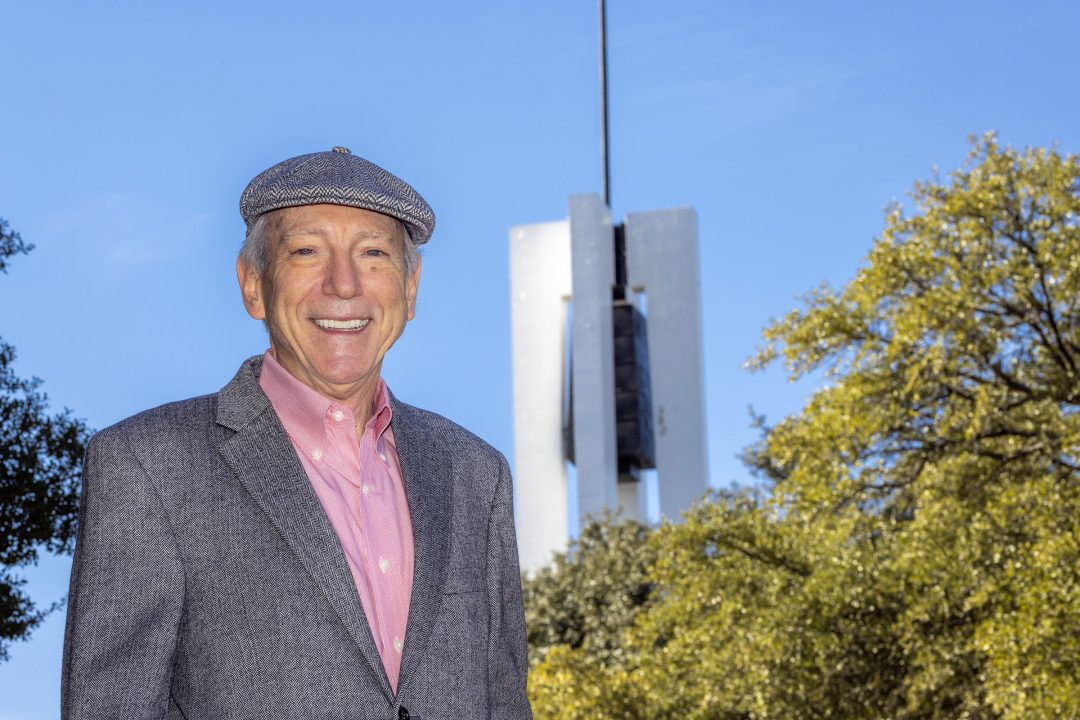
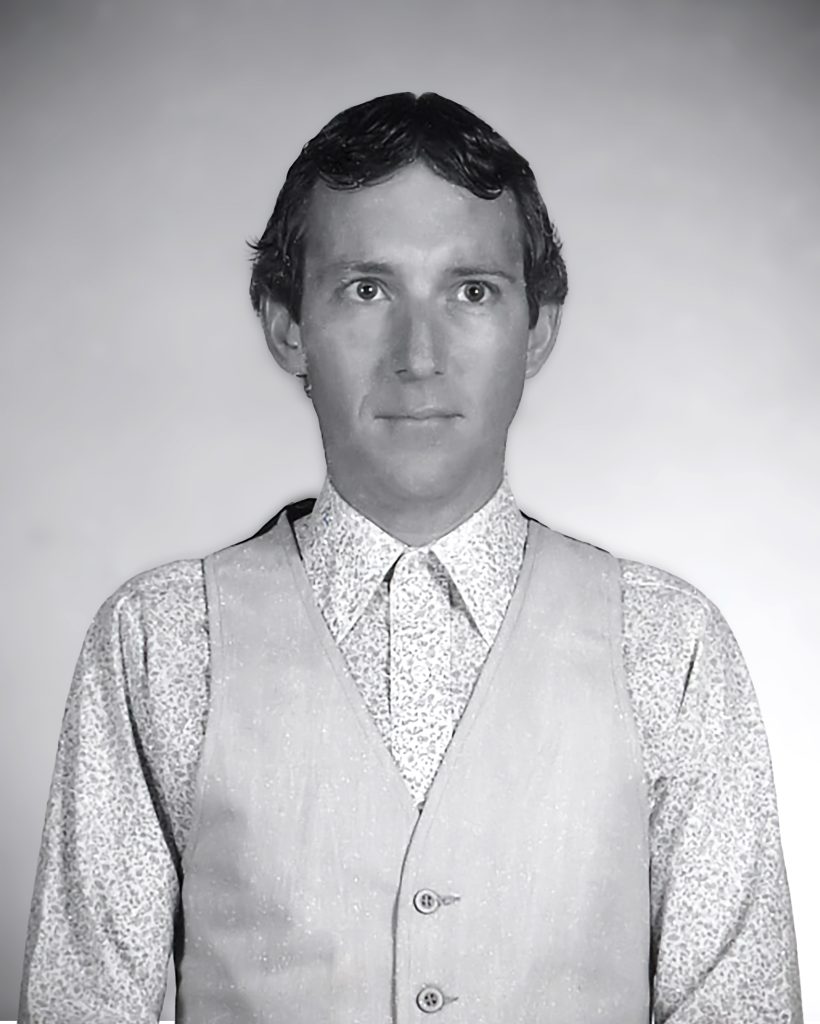
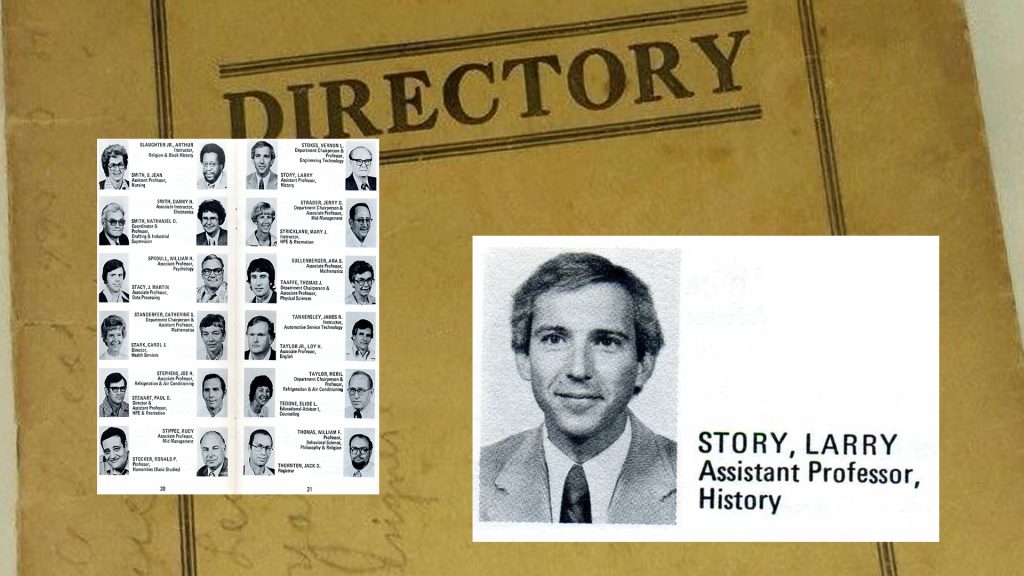
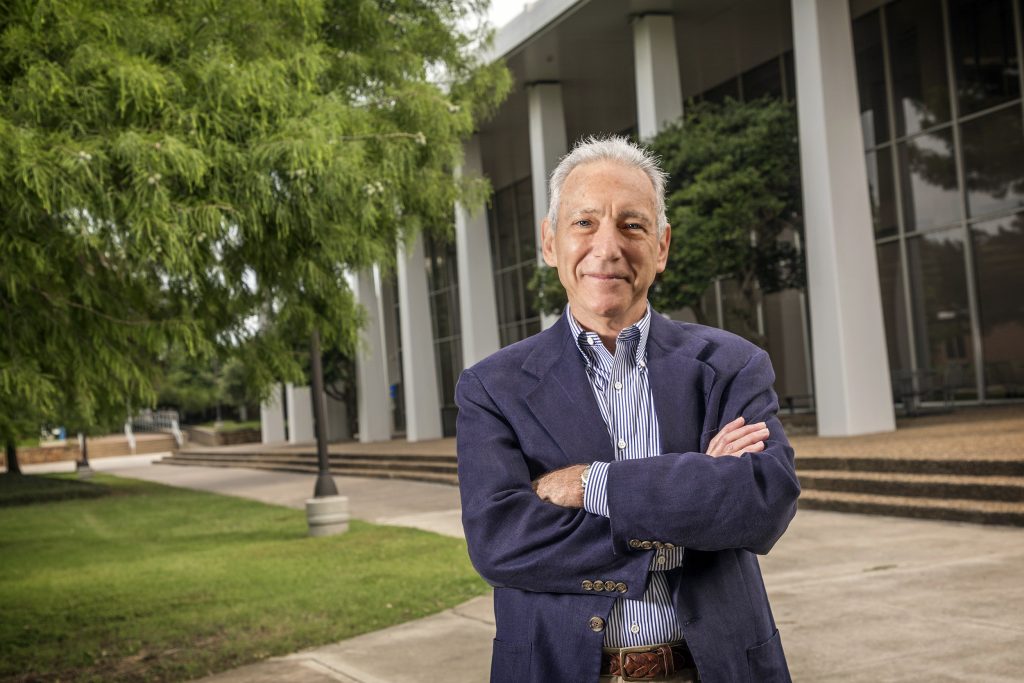
It’s 1967. Lyndon B. Johnson is president of the United States. American troops are deployed in Vietnam. The University of Indiana Hoosiers have won the Big Ten Championship. And Larry Story is beginning his time as history professor at the newly opened Tarrant County Junior College.
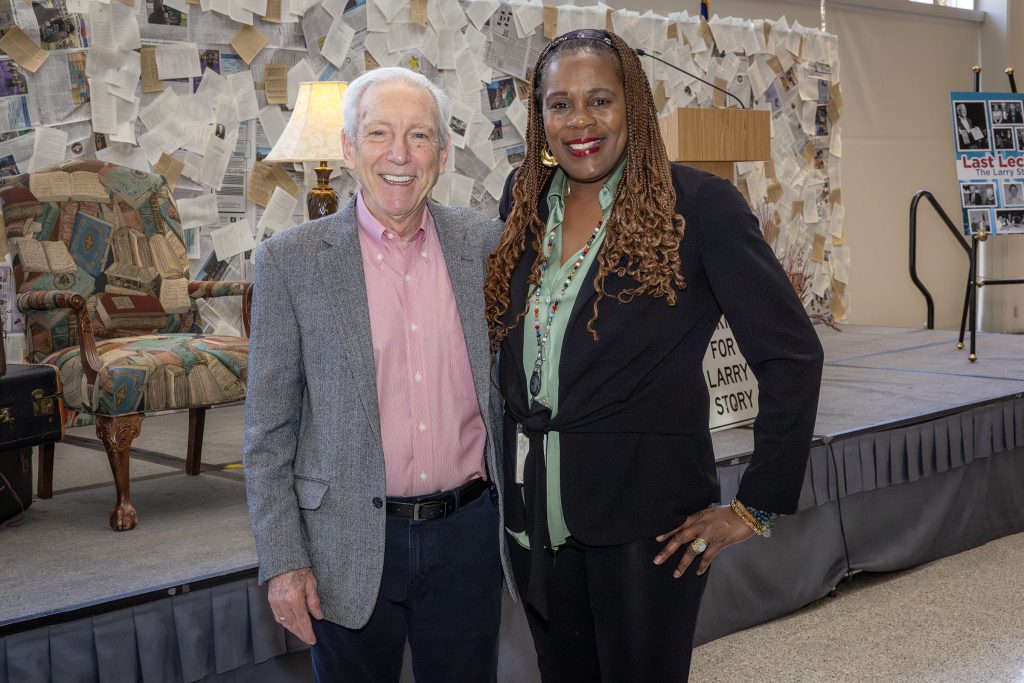
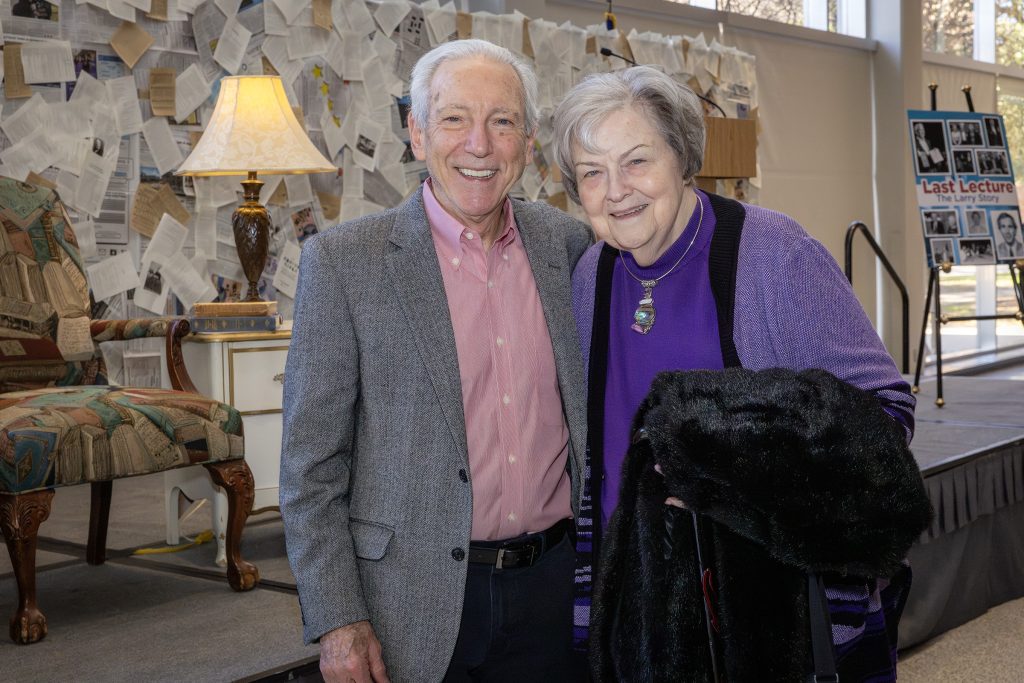
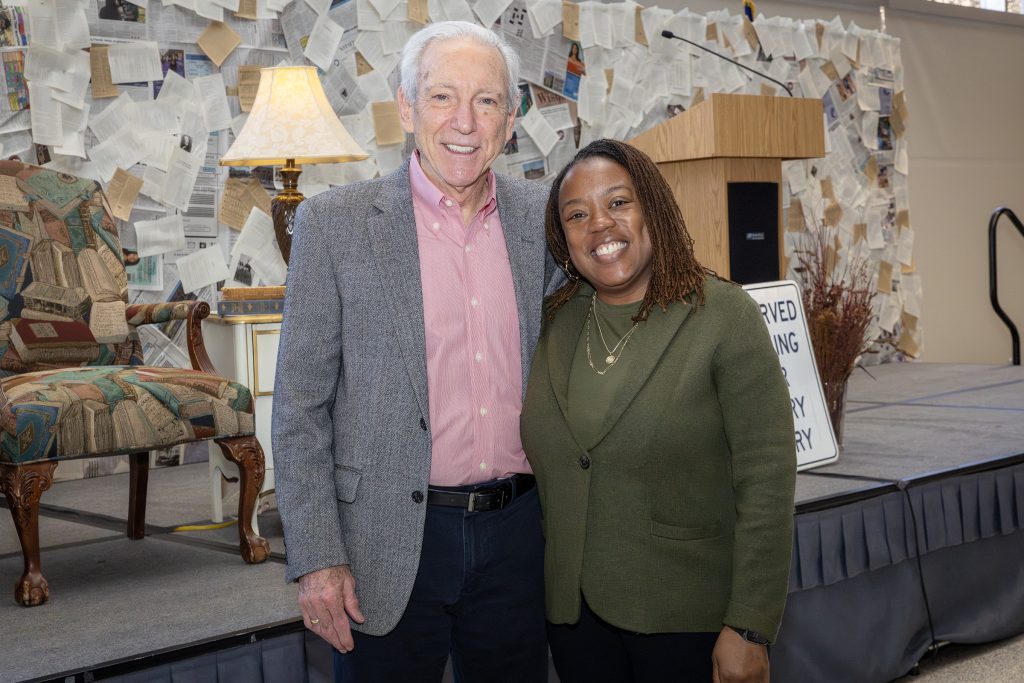
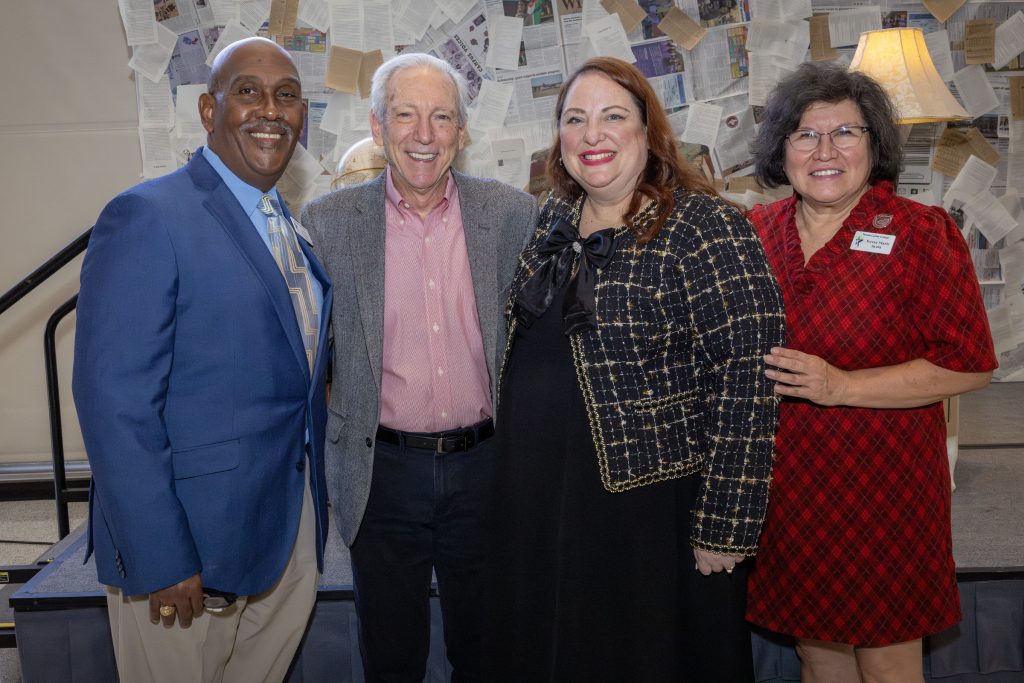
Nearly six decades later, Story is closing that chapter, retiring as the last remaining member of the College’s original faculty and delivering a final reflection on a career that unfolded right alongside the growth of TCC.
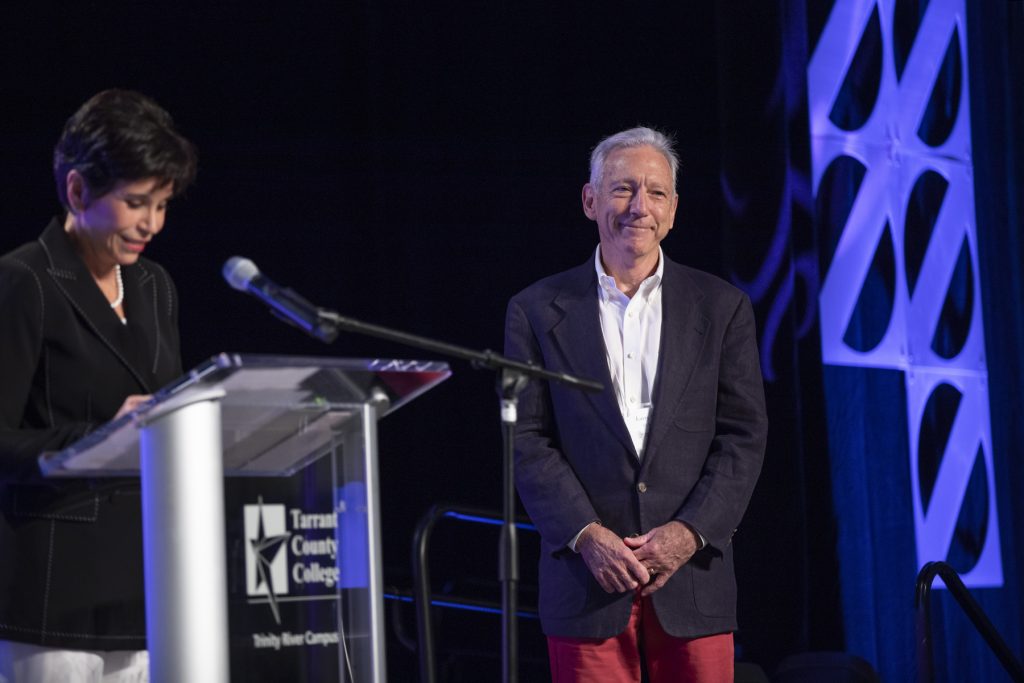
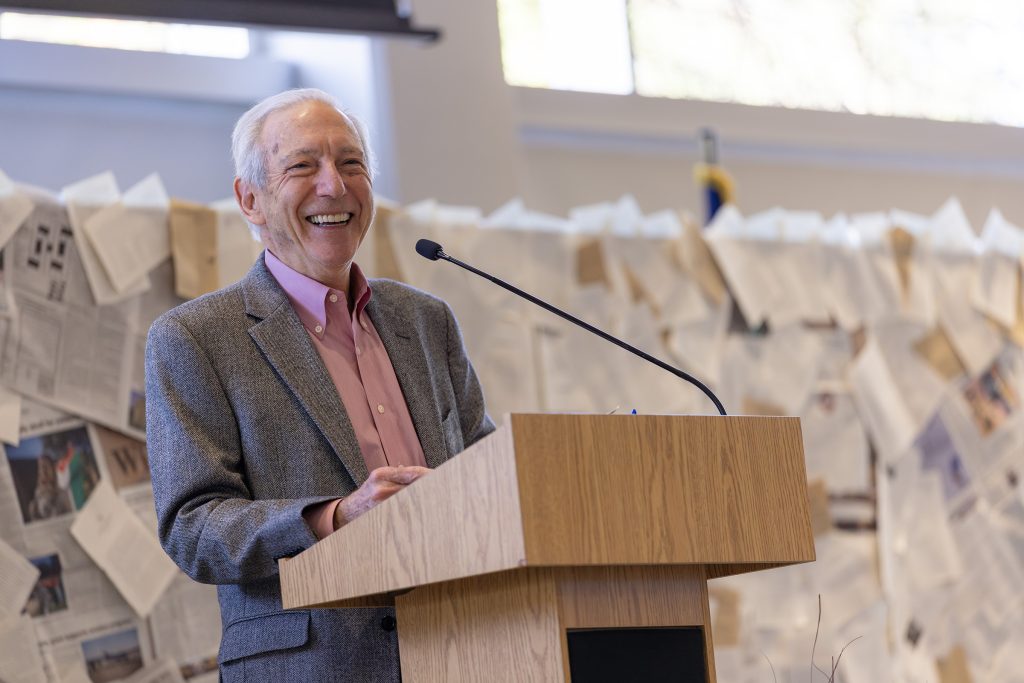
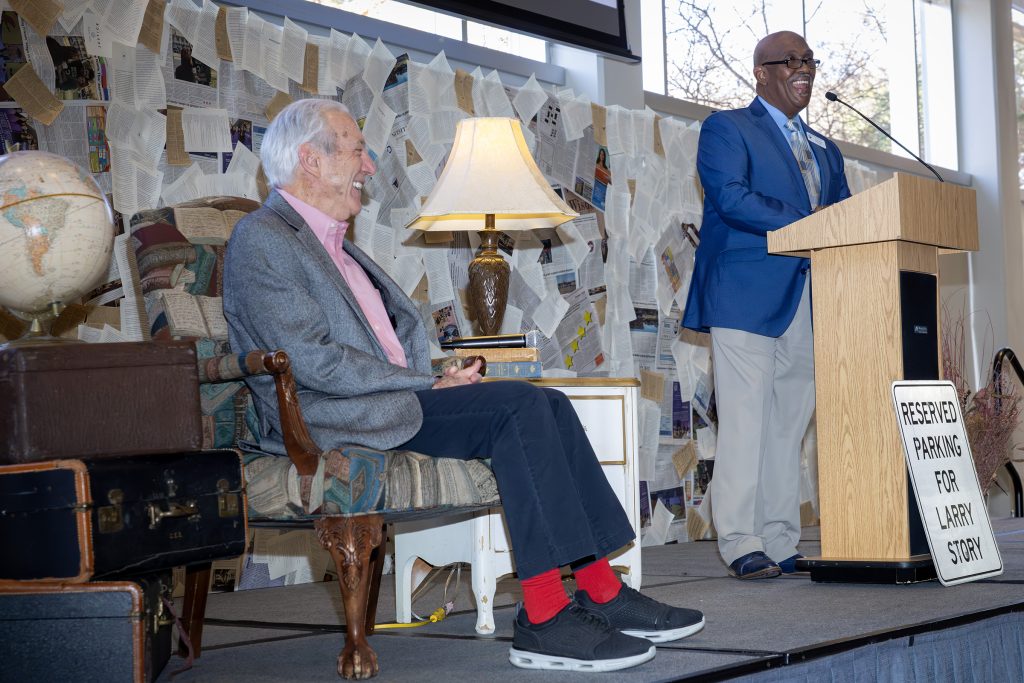
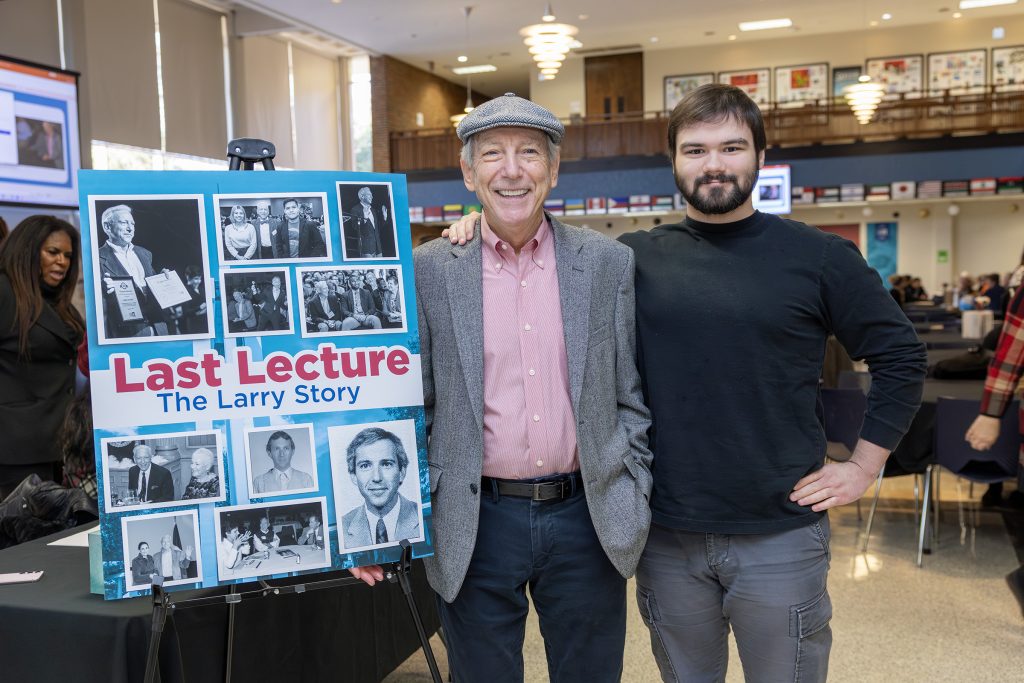
After serving 58 years and one-half semester, Story gave his last lecture at a retirement luncheon last Friday at TCC South, a campus he has called home his entire tenure. His words served as both a farewell and a remembrance of what he has witnessed since stepping into a classroom when TCC was still a single campus finding its footing.
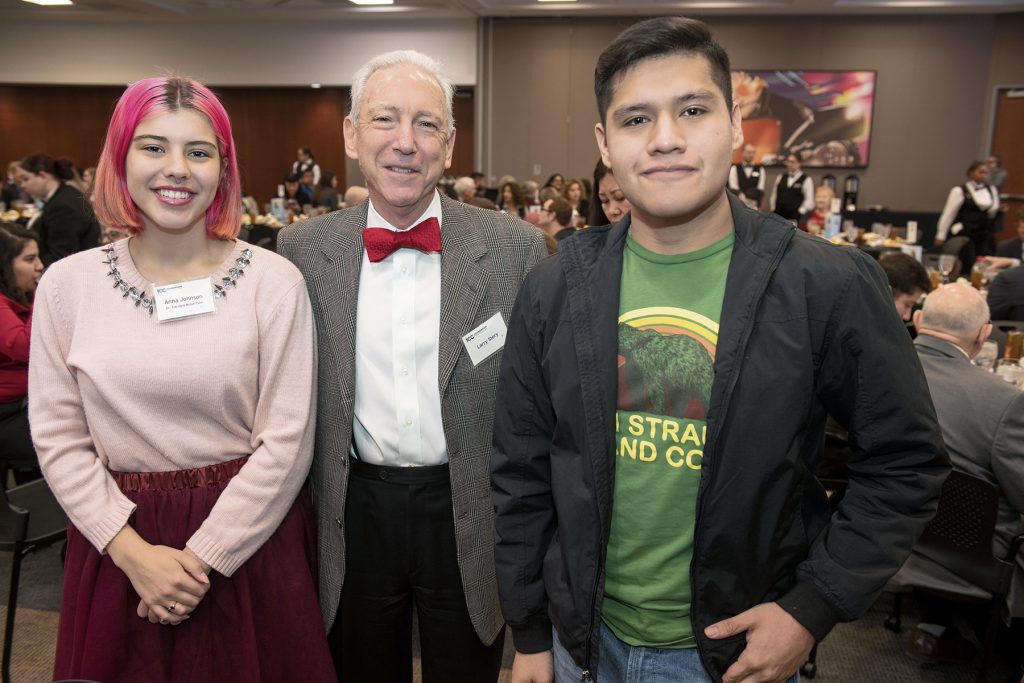
“I knew I wanted to teach since I was 13 years old,” he began. “I loved learning about history, I loved reading it, and then to find out you could get paid for teaching. I feel guilty for the notoriety of all of this because it’s for something that I like to do.”
A college — and a career — taking shape together
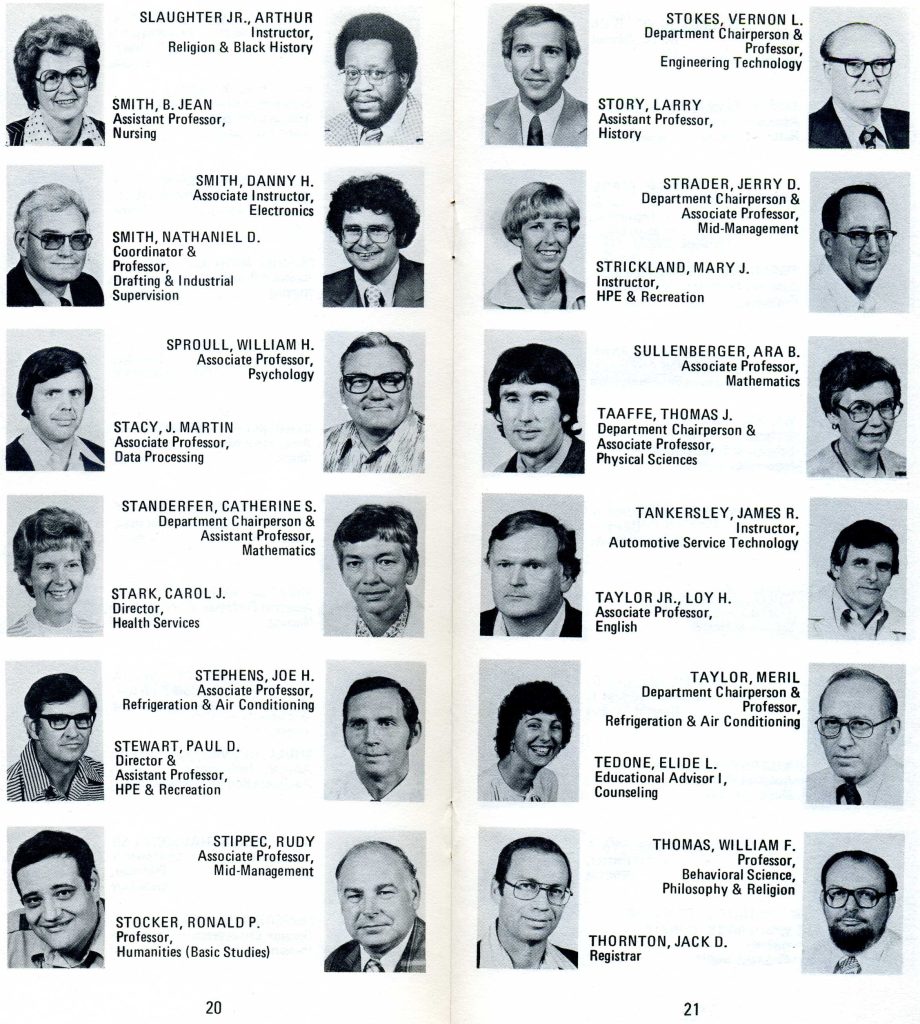
Story arrived at TCJC in summer 1967, fresh out of graduate school and thrilled to land his first full-time teaching position. At that time, the College had one campus, and enrollment projections soon would be eclipsed by demand from a community eager for accessible higher education.
Classes grew larger than expected. Schedules expanded. The College and its faculty were learning what it meant to serve a fast-growing county.
“It was exciting,” Story recalled in his lecture. “Everything seemed possible at that point. We could do anything.”
That sense of possibility extended well beyond the campus to reflect a most turbulent period in modern American history, when national events routinely spilled into the classroom.
Teaching history while history was happening
The late 1960s brought the Vietnam War, student deferments, campus protests and deeply personal classroom discussions — particularly as veterans and antiwar students found themselves sitting side by side.
“We had some pretty lively discussions,” Story said. “You had veterans in the classroom, and you had protesters. It could be tense — but it was real.”
The assassinations of Martin Luther King Jr. and Robert F. Kennedy in 1968 left a lasting impression, not just on the country but on students trying to make sense of a changing world. Over the decades that followed, Story would teach through Watergate, the Challenger space shuttle explosion, 9/11, the War on Terror — each development a reminder that history is not abstract but lived.
Yet even as world events shifted, Story said his core approach remained steady: Help students see the context so that history becomes not overwhelming but understandable.
“In history, nothing happens by chance. There’s always cause and effect. My goal was to help students see those connections — to understand why things happened.”
The community college mission, lived daily
As the College expanded from one campus to five and online, Story watched TCC evolve into a countywide institution built around access and proximity. The composition of his environment changed, too. He came to see more women on the faculty, more students of color, and eventually students from around the world, including those for whom English was a second language.
“The world got smaller. When I started, I never imagined I’d be teaching U.S. history to students from South Korea — and now it’s commonplace.”
Through it all, the heart of his community college experience remained the same. Meet students where they are, many of them first generation. Many balancing work and family responsibilities. Many unsure if college was even meant for them.
“A lot of our students have no experience with college,” he said. “Part of our job is helping them see that they can do this — that it’s possible.”
Larry Story’s legacy recognized
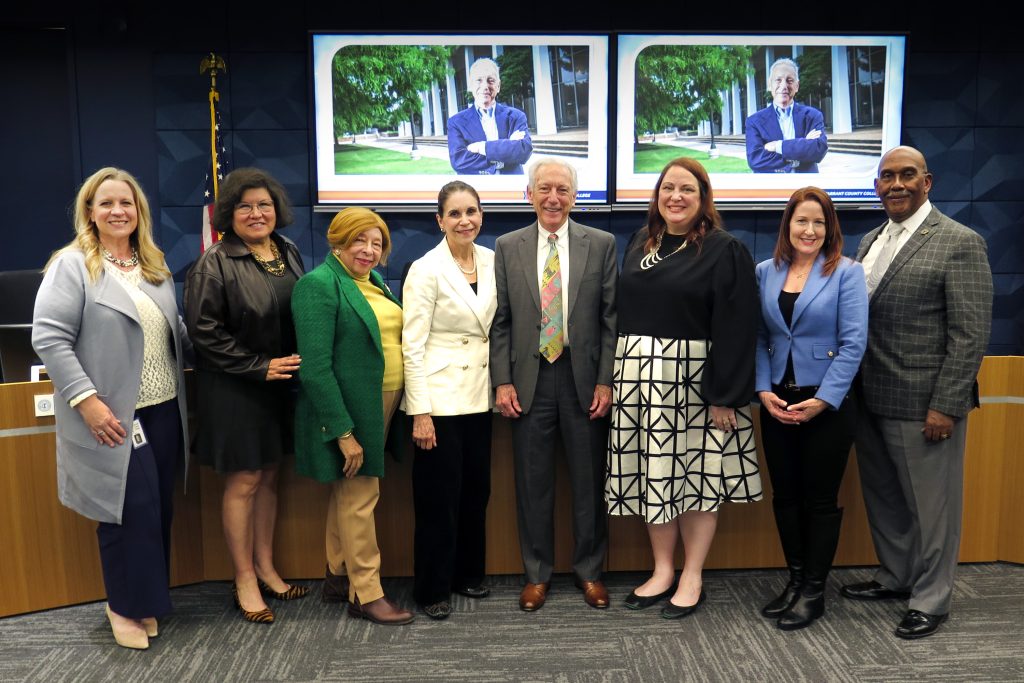
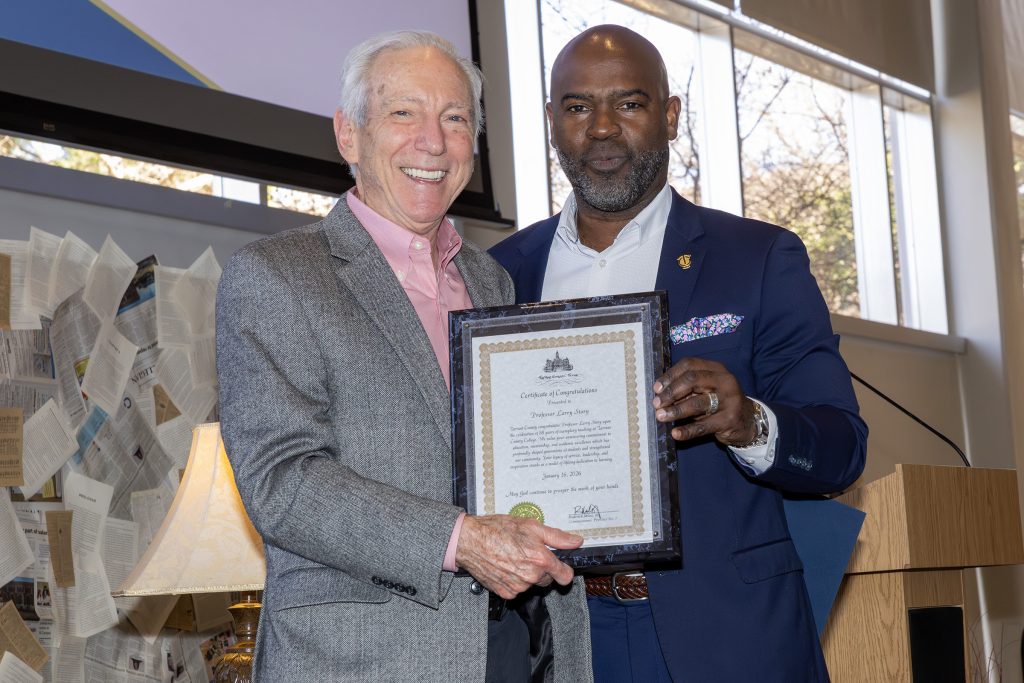
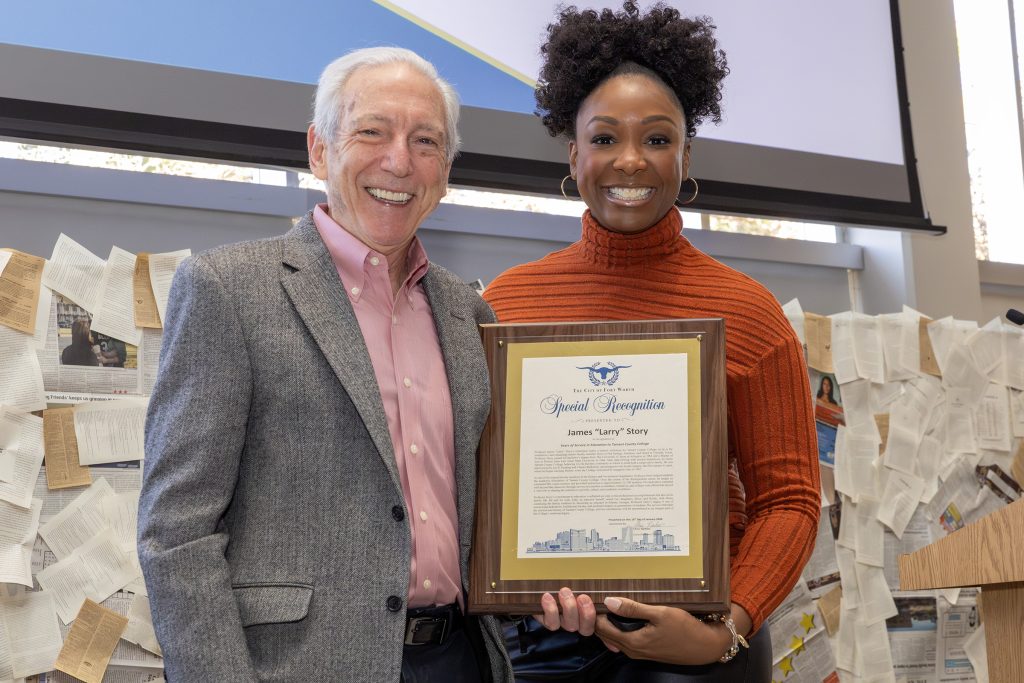
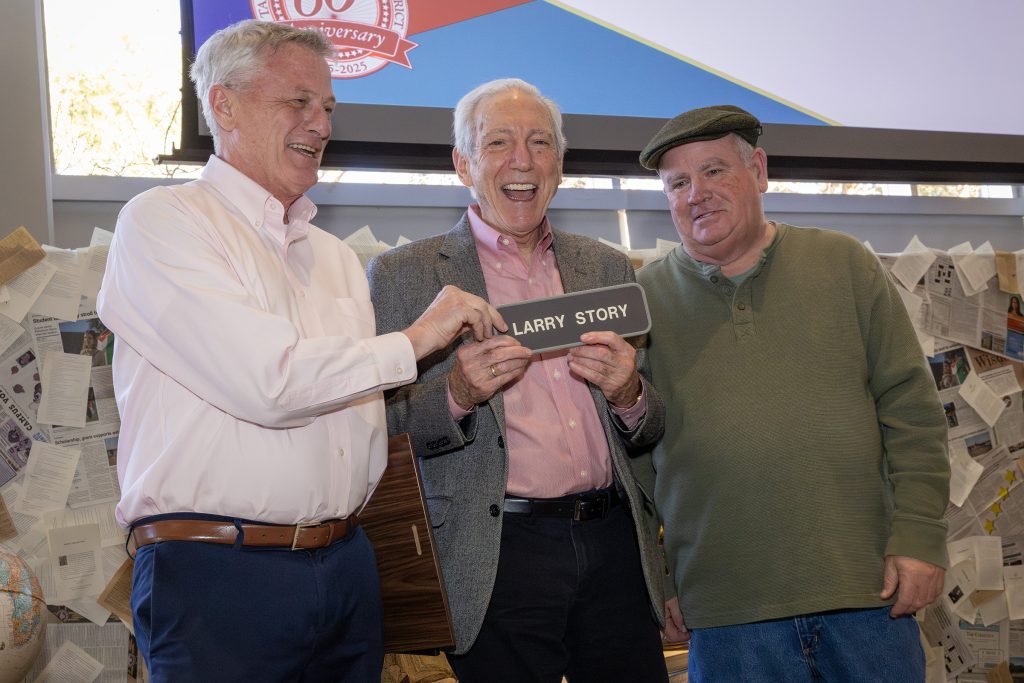
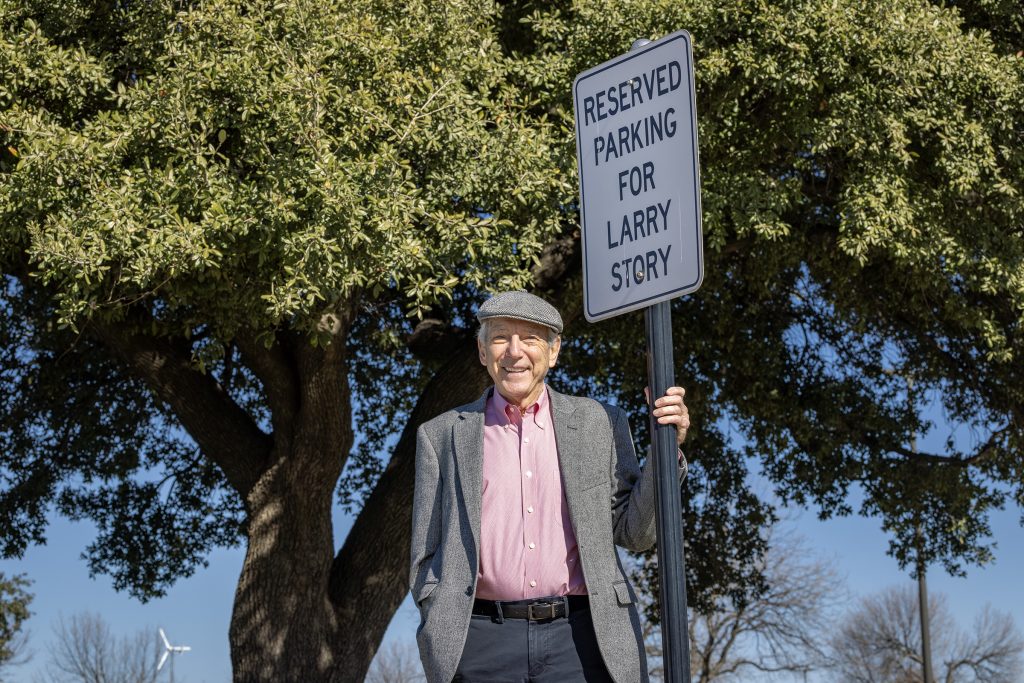
Dr. Jamal Williams, a representative from Tarrant County Commissioner Roderick Miles Jr. (District 1), and Rashiel Dews, with City Councilman Chris Nettles’ office (District 8), delivered recognitions for Story’s service. Emcee Dr. Stephen Jones, Vice President of Academic Affairs at TCC South, presented a Certificate of Recognition from Texas House Rep. Nicole Collier‘s office highlighting milestones from Story’s career:
- Last remaining of six original history faculty
- 900 course sections taught
- 22,100 students taught
- Longest-serving professor in the state
Here’s what TCC leaders say Story leaves behind:
“Professor Story said that he never planned to teach this long, he just enjoyed it too much to stop. And that joy showed. His students didn’t just leave with credits — they left with perspective, curiosity and a better understanding of the world. As the last remaining founding faculty member of TCC, Professor Story is a living link to where we started and a powerful reminder of what has always mattered most: great teaching and genuine care for students.”
— Jeannie Deakyne, TCC Board of Directors President
“Larry helped shape not only how history was taught here but how students learned to understand the world around them. He is a consummate professional, deeply dedicated to students and a true steward of this institution. [His] spirit of intellectual rigor and curiosity reflects the very best of what a great history teacher does, helping students see patterns, question assumptions and learn from the past.”
— Dr. Daniel Lufkin, TCC South President
A final lesson
Story’s memories aren’t only about world events. They also encompass the everyday culture of a school built to be “a portable education that’s convenient,” with campuses spread across the county so students are never far from opportunity.
That local footprint, paired with a student-ready approach, has helped TCC become a familiar chapter in many families’ lives. Story said that any time he’s in the community, in any occasion, he can’t help but bump into someone who has been touched by the College. After he mentions where he teaches, people tell him they attended TCC at some point.
As he closed, Story reflected on how much the College has changed and on what he hopes it never loses — the face-to-face connections, the personal touch and the idea that education works best when it’s grounded in community.