
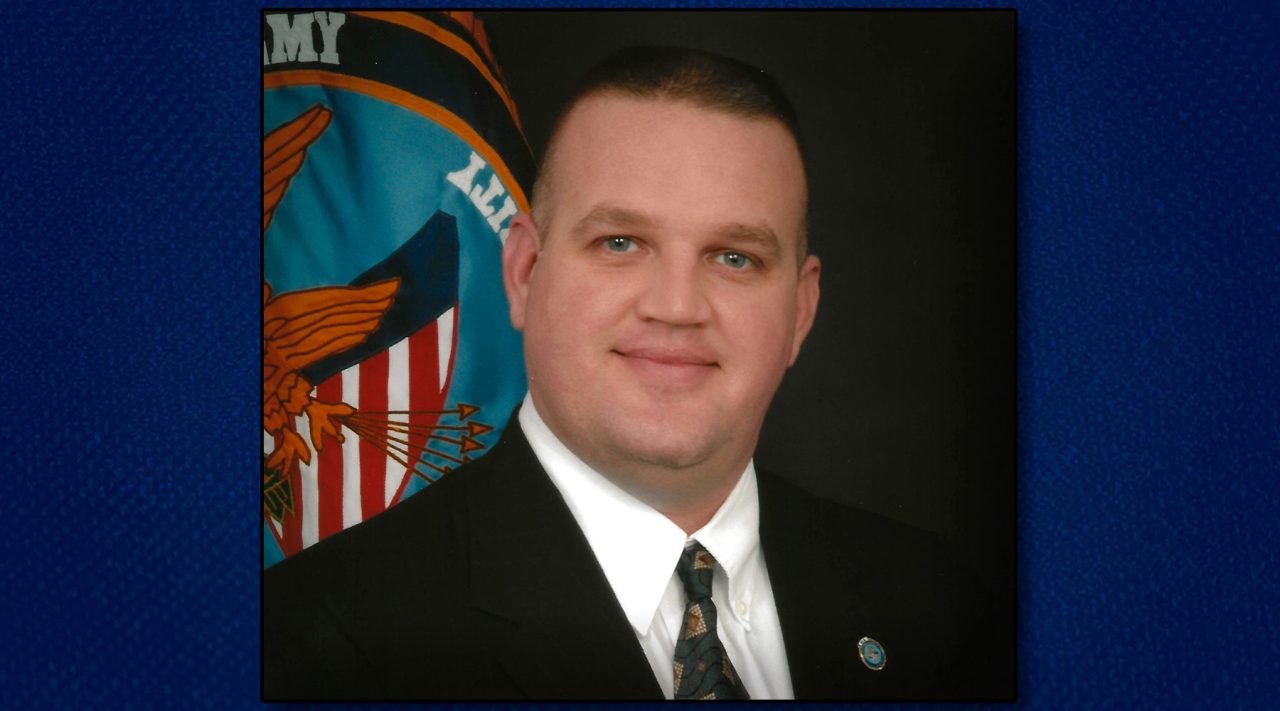
FORT WORTH, Texas — Jay Tillerson brings more than 30 years of higher education law enforcement to the job as Tarrant County College names him its next chief of police, effective Jan. 12.
“Jay Tillerson’s proven leadership and commitment to community-focused policing make him the right choice to guide TCC forward,” said General Counsel Antonio Allen. “His experience and values align perfectly with our mission to create a safe, welcoming environment where students, faculty and staff can thrive.”
Tillerson, most recently an assistant police chief at UT Arlington, has consistently demonstrated the ability to modernize police operations while building strong campus partnerships. His direction has led to implementing body-worn cameras, upgrading communications and records management systems, and expanding officer training and professional development.
He has pioneered community engagement initiatives, including launching the first Students on Patrol program at UTA. Under his leadership, UTA’s police department earned the IACP/Walmart Leadership in Community Policing Award from the International Association of Chiefs of Police and hosted what became the nation’s largest single-site National Night Out, drawing more than 3,500 participants.
Tillerson holds a bachelor’s degree in business administration and criminal justice from Dallas Baptist University and a master’s degree in criminology and criminal justice. He graduated from the FBI National Academy. He has served two terms as president of the Texas Association of College and University Police Administrators and teaches as an adjunct professor in criminal justice.
He will be formally introduced to the TCC Board of Trustees at its January meeting.
Celebrating 60 years of excellence and impact in 2025, Tarrant County College is one of the nation’s largest higher education institutions and a leading provider of higher education access in North Texas. With six campuses, robust online offerings, and a mission rooted in serving diverse learners, TCC offers Associate of Arts and Associate of Applied Science degrees; workforce and economic development programs; technical and skilled-trades training; and customized programs for local employers.